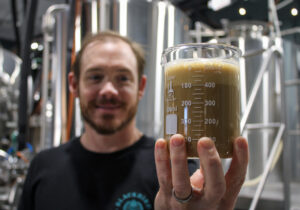
 Yeast doesn’t always get the spotlight, but it deserves it. It’s not just what turns sugar into alcohol; it’s what shapes the flavor, aroma, and personality of every pint you drink. Change the yeast, and the entire beer transforms—even if everything else stays the same. One strain might give you crisp apple notes, another might bring out stone fruit or spice. They can make a dry beer taste subtly sweet or dry, and even impact perceived bitterness further complicating what a hop IBU even means. Yeast is the unsung hero of flavor in every beer.
From the classic strains to cutting-edge science, yeast is at the heart of brewing. Here’s a look at the key players.
Yeast and Beer Production
Every great beer starts the same way: grains, water, hops—and yeast, the microscopic powerhouse that makes the magic happen. Once the grains are mashed and the sugars extracted, we’re left with wort. A sweet, nutrient-rich liquid ready for fermentation. When yeast joins the party, it eats those sugars and turns them into alcohol, carbonation, and a full spectrum of flavor.
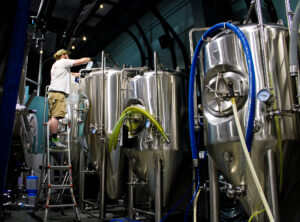 That spectrum comes from compounds called esters and phenols—natural byproducts of fermentation that shape aroma and taste. Esters form when organic acids and alcohols combine, giving beer its fruity notes—from banana and pear to apple and even hints of rose or honey. Phenols add spice and depth, producing the clove-like or peppery character found in Belgian and wheat styles. They can also affect mouthfeel, adding a subtle warmth or dryness.
At this stage, small choices make a big impact. Ales use top-fermenting yeast that thrives in warmer temps, bringing expressive, fruit-forward notes. Lagers rely on bottom-fermenting yeast that prefers cooler temperatures, creating crisp, clean precision. Sours often call on wild or mixed cultures, adding layers of tart complexity.
After fermentation, the beer moves into conditioning—where it smooths out, clarifies, and develops its final flavor. It’s where everything settles into balance, and the yeast quietly bows out, leaving behind the personality it helped create.
Classic Yeast Strains
Classic yeasts are the backbone of many beloved beer styles. Each strain has its own personality, influencing everything from aroma to mouthfeel.
Lager Yeast
Cold, patient, and precise. Lager yeast ferments slowly at low temperatures, creating clean, crisp beers with subtle flavor complexity. It generates fewer fruity esters and spicy phenols, keeping the beer balanced and approachable. The long, cool fermentation gives you that smooth, refined finish that we love in styles like Festbier, Dunkel, and traditional lagers.
Ale Yeast Strains
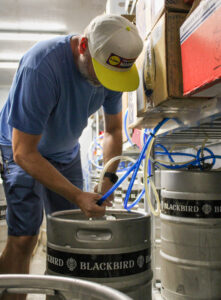
Warm, expressive, and full of character. Ale yeasts work fast at higher temperatures, creating complex, flavorful beers that showcase everything from soft fruit and spice to bold hop intensity. They’re the creative force behind some of the most distinctive and flavorful beers on tap.
English Ale / Hazy IPA Strains
These yeasts are the magic behind many modern hazy IPAs. Specific genes allow them to biotransform hop oils and stabilize haze, softening bitterness and bringing out juicy, fruit-forward notes.
Hefeweizen & Belgian Wit Strains
Bold, aromatic, and unmistakably yeast-driven. These wheat beer strains are responsible for the signature banana, clove, and citrus notes that define German and Belgian classics. They bring soft spice and gentle fruitiness to every sip, creating that familiar “yeast-forward” character found in Hefeweizen, Weizenbock, and Belgian Wit.
West Coast Ale Strains
Clean, dry, and unapologetically hop-forward. These strains let pine and citrus notes shine, delivering the clarity and crisp bitterness that define traditional West Coast IPAs.
Genetically Modified Yeast Innovation
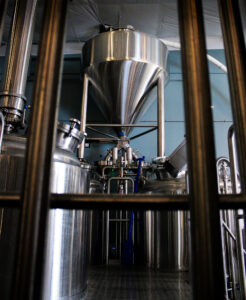
Brewing has come a long way from wooden barrels and wild fermentation. With tools like CRISPR—a gene-editing tool used to modify brewing yeast or other ingredients—-brewers can now fine-tune yeast at a genetic level—shaping flavor, aroma, and consistency with incredible precision.
Take diacetyl, for example—that slick, butterscotch note that can sneak into lagers. Modern yeast strains can be engineered to produce the ALDC enzyme, which stops diacetyl from forming in the first place. The result? A cleaner, smoother lager that still keeps its signature slow-fermented character.
Then there’s Daybreak—a yeast that’s been tweaked using CRISPR to remove the gene responsible for haze. That means brewers can craft a crystal-clear beer that still drinks like a hazy: soft, fruity, and aromatic. It’s innovation meeting tradition, and it’s changing what’s possible in the brewhouse.
The Science of Thiolized Yeast
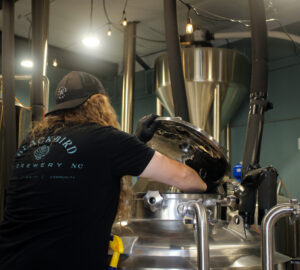 Thiolized yeast represents a new chapter in brewing innovation—these specialized strains are designed to unlock hidden tropical aromas bound within hops and barley. During fermentation, they release thiol compounds, bringing out bright, expressive notes often compared to Sauvignon Blanc.
This process shines with New Zealand hops and select barley varieties, adding an exotic aromatic lift that enhances the juicy depth of hazy and specialty beers. It’s the yeast—not added fruit juice—creating those lush, juicy flavors that make each sip come alive.
Beers to Try Right Now
If you want to taste yeast’s impact firsthand, here are a few perfect seasonal picks:
- Dunkel: A rich, smooth, and balanced slow-fermented lager with ALDC yeast.
- Dayman: A soft, fruity, and endlessly drinkable West Coast IPA brewed with Daybreak yeast.
- Weizenbock: A higher-gravity, yeast-forward wheat beer, loaded with banana, clove, and dark fruit notes.
Why Yeast Choice Matters
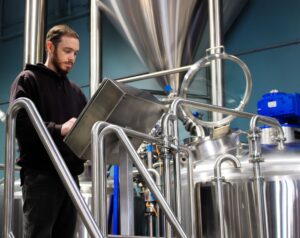 Yeast doesn’t just make beer—it defines it. Every choice, from strain to fermentation temperature, changes what ends up in your glass. As brewers continue to experiment with new strains and techniques, yeast has become more than just a workhorse—it’s a creative tool.
Tiny, complex, and full of potential, yeast is what keeps brewing an art as much as a science.
